
KOCO TOPIK Prep
Structured, exam-focused preparation for the TOPIK — built for learners in the United States. Small cohorts, a proven method, real results.
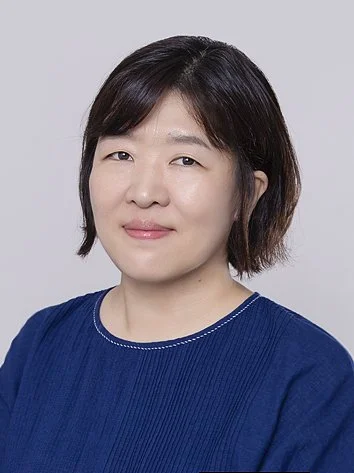
Learn from a TOPIK author & former exam scorer
KOCO TOPIK Prep is built on the method of Una Jeong — a Korean-language specialist who doesn't just teach the TOPIK. She served on the committee that scores it and has authored more than ten books built around it. You're learning the exam from the inside.
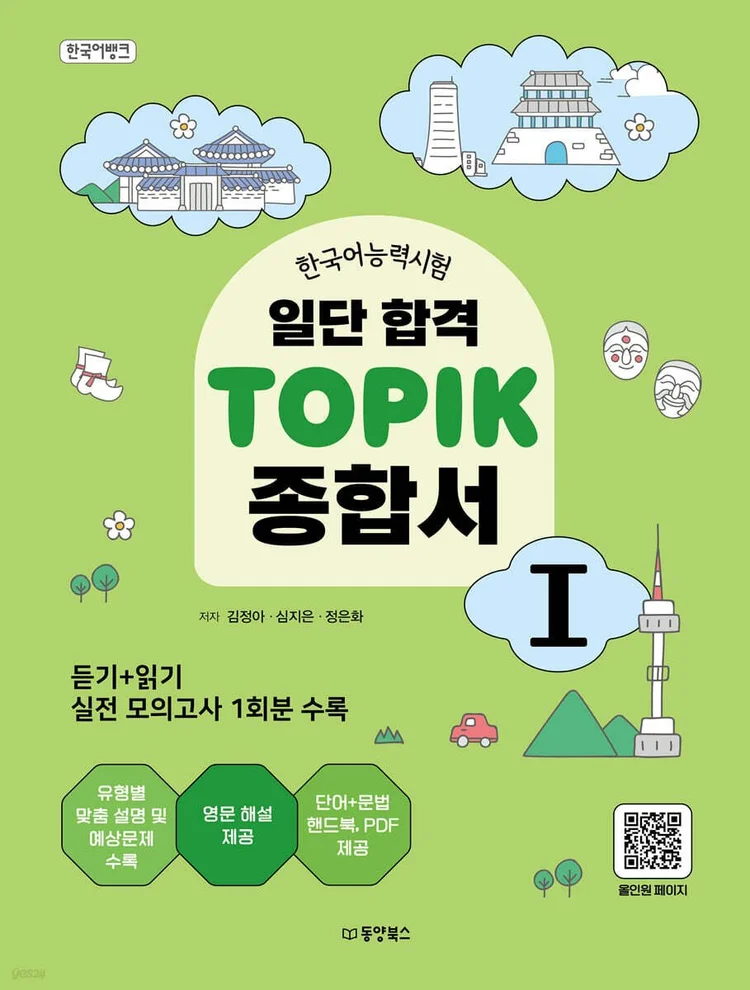
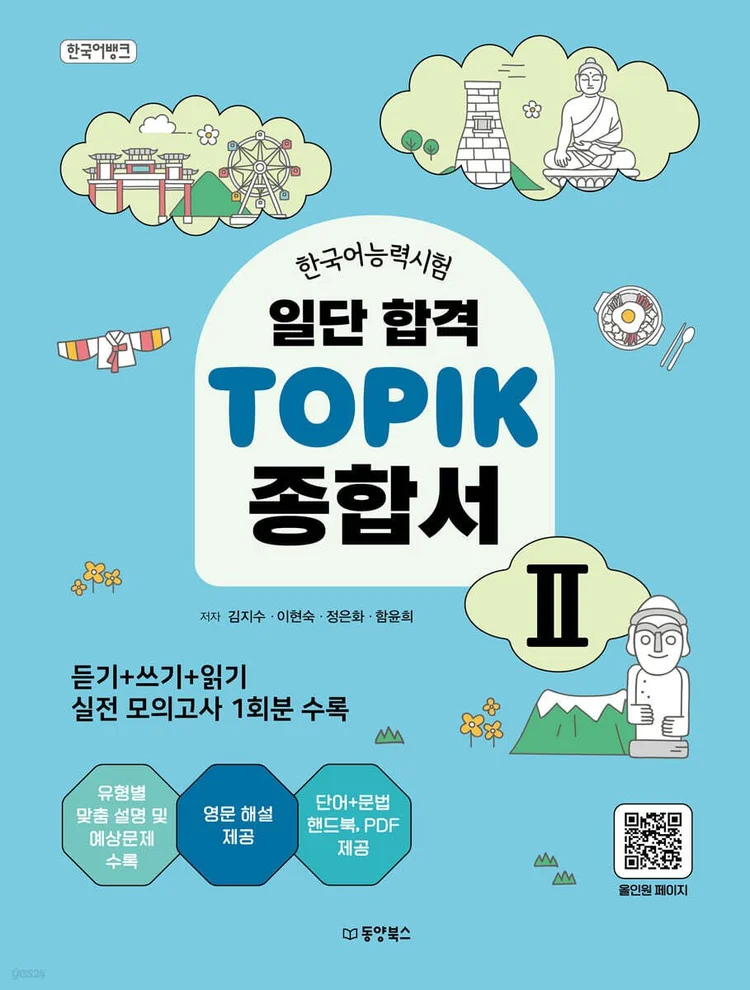
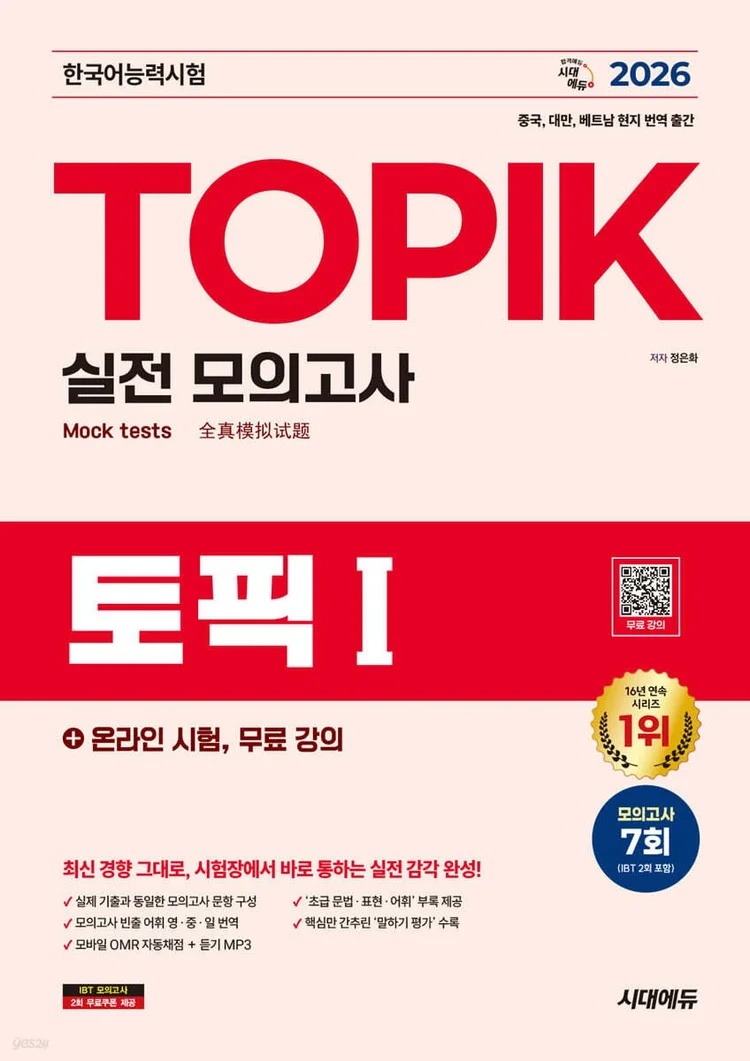
Try a class before you enroll
Join a free trial class this July and experience the Una Jeong Method firsthand — see how a session runs and find out which track fits you, with no commitment.
Two tracks, ten weeks, one exam goal
Pick your level. Both tracks run live online and are timed for the upcoming TOPIK.
TOPIK I
TOPIK II
A minimum of 5 students is required to run a cohort. If a track doesn't fill, it's rescheduled and payments are fully refunded.
Everything you need, in one course
Meet Una Jeong · 강사 정은화
The exam from the inside — designed by someone who has scored it, writes for it, and has taught it for over two decades.
Una Jeong 강사 정은화
Una Jeong has spent more than twenty years teaching Korean at major corporations, universities, and language institutes across Korea. What sets her apart for TOPIK prep is that she has worked on the exam itself — she served on the committee that scores it and has authored more than ten books built around it.
That dual vantage point — scorer and teacher — is the foundation of the method behind KOCO TOPIK Prep.
Education
- A.B.D., Korean Linguistics, Hongik University
- M.A., Teaching Korean as a Foreign Language, Ewha Womans University
TOPIK Expertise
- Former member, TOPIK Writing Scoring Committee (2014–2016)
- Question developer, Sejong Korean Language Test (2023)
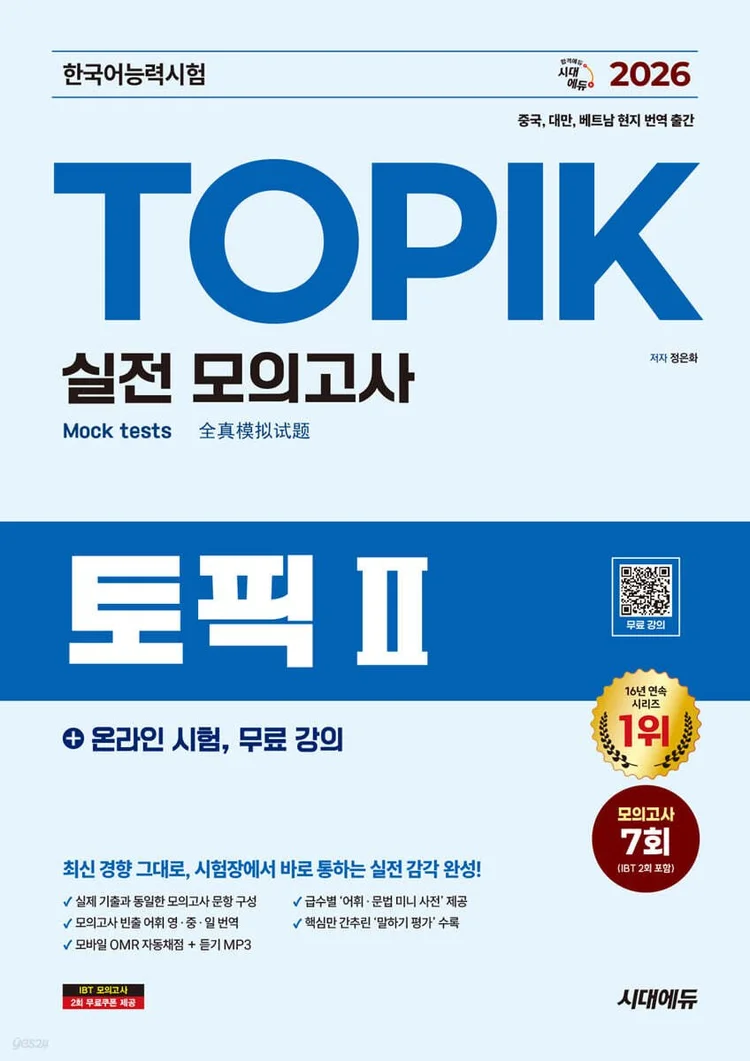
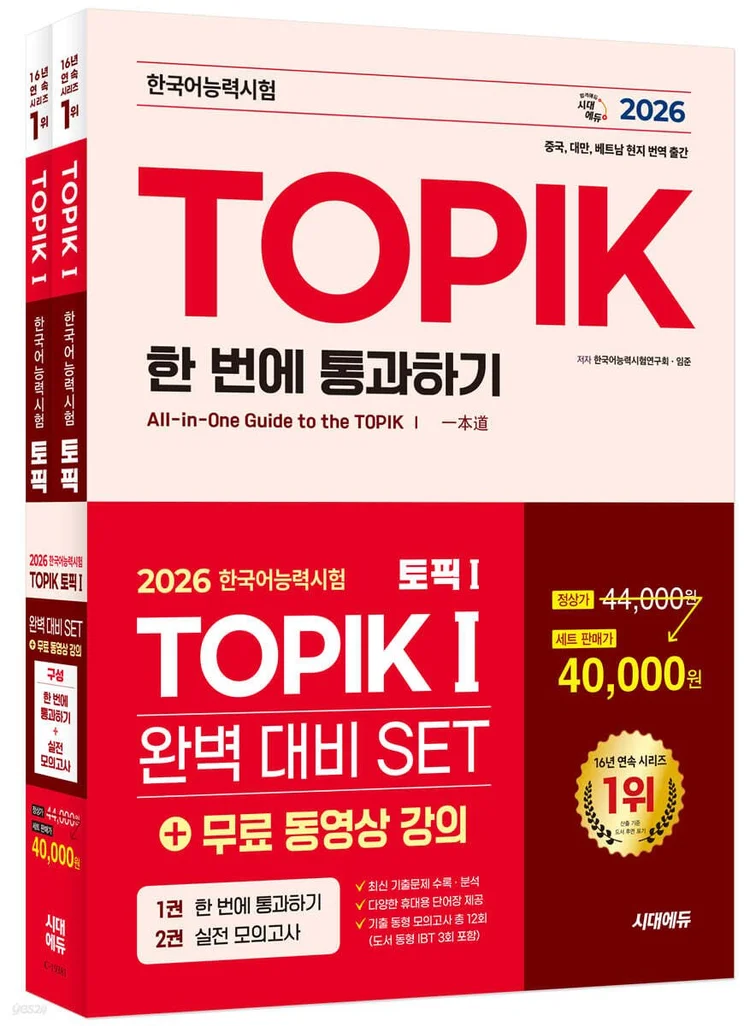
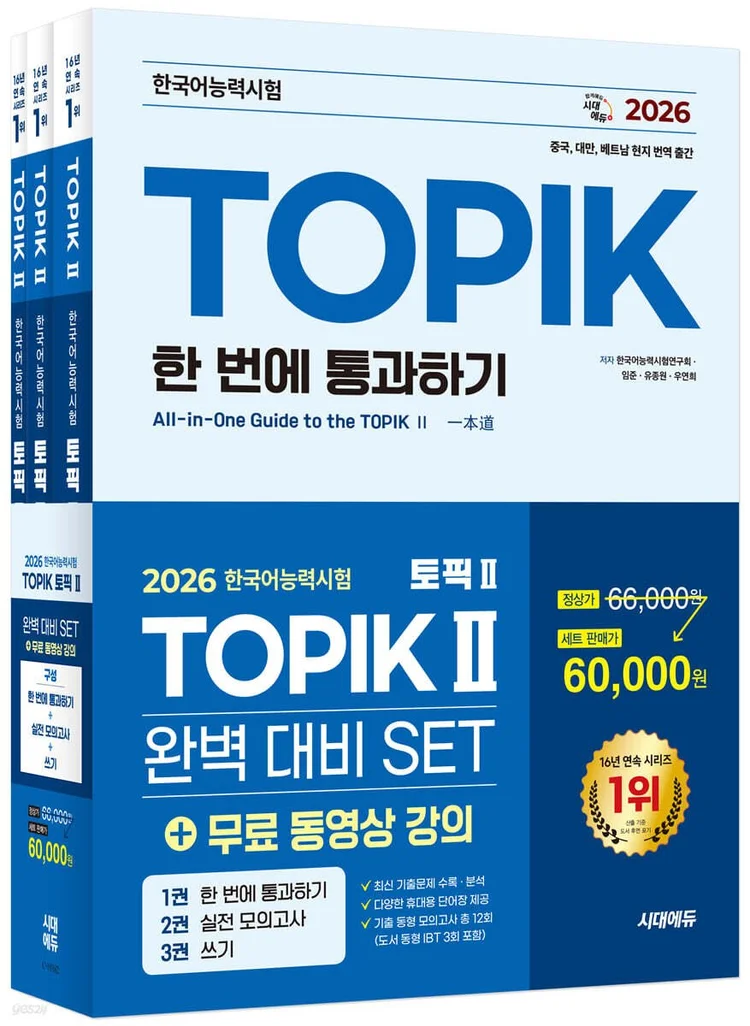
- Author of 10+ TOPIK publications, incl. the annual TOPIK II Writing series and First of All, I Passed TOPIK I & II (2025)
Strategy plus logic — built for American learners
문제 풀이 전략과 미국 학생 맞춤형 논리 학습으로 TOPIK에 대비합니다.
Through question-solving strategy and logic training built for American students, the course prepares you for the TOPIK — efficiently, in just ten weeks.
Question-solving strategy
Every TOPIK question follows a pattern. The course works through each item type — what it tests, the traps it sets, and the fastest reliable path to the answer.
Logic training, built for American students
Rather than translating word by word, you learn to remap the English patterns you already think in onto the Korean logic the TOPIK rewards — sentence order, particles, speech levels. Students get Una's proprietary Logic Mapping guides to support it.
Two real previews from Una's Logic Mapping guides — the reference sheets students work from in class.
English orders a sentence Subject–Verb–Object. Korean orders it Subject–Object–Verb and attaches a "role tag" (particle) to each piece. Word order for time, person, and place is flexible — it shifts with the speaker's focus.
At the advanced level, "because" isn't one skill — it's four. TOPIK II writing rewards choosing the right register for the context. The guide puts them on one scale:
TOPIK, in brief
The Test of Proficiency in Korean (TOPIK / 한국어능력시험) is the official Korean-language proficiency exam, administered by Korea's NIIED. It's the credential used for university admission and scholarships in Korea, certain visas, and employment requiring certified Korean.
TOPIK I
- Two sections: Listening & Reading
- 70 questions, 100 minutes
- Multiple choice only — no writing
- Scored out of 200
TOPIK II
- Three sections: Listening, Writing & Reading
- 104 questions (incl. 4 written-response), 180 minutes
- Two sessions with a break; longer, more formal passages
- Scored out of 300
The exam we're preparing for
Sunday, October 18, 2026 (KST) in Korea. Exact start time is set by each test center — TOPIK I in the morning, TOPIK II in the afternoon — and confirmed at registration.
Exam dates, fees, and registration windows are set by NIIED and can change. Always confirm current details on the official TOPIK website before registering for the exam.
Ready to aim higher?
Cohorts are small and fill quickly. Try a free class in July or reserve your spot for the upcoming term.
Register for a class