
Five "Untranslatable" Korean Concepts
At KOCO Center, we believe that to speak a language is to inherit a new way of feeling. While words like Jeong (정) and Han (한) are the pillars of Korean culture, there are dozens of "smaller," more nuanced but equally common words that capture the specific friction and beauty of daily life in Korea.
If you want to sound less like a textbook and more like a local, here are 5 untranslatable concepts that are truly off the beaten path.
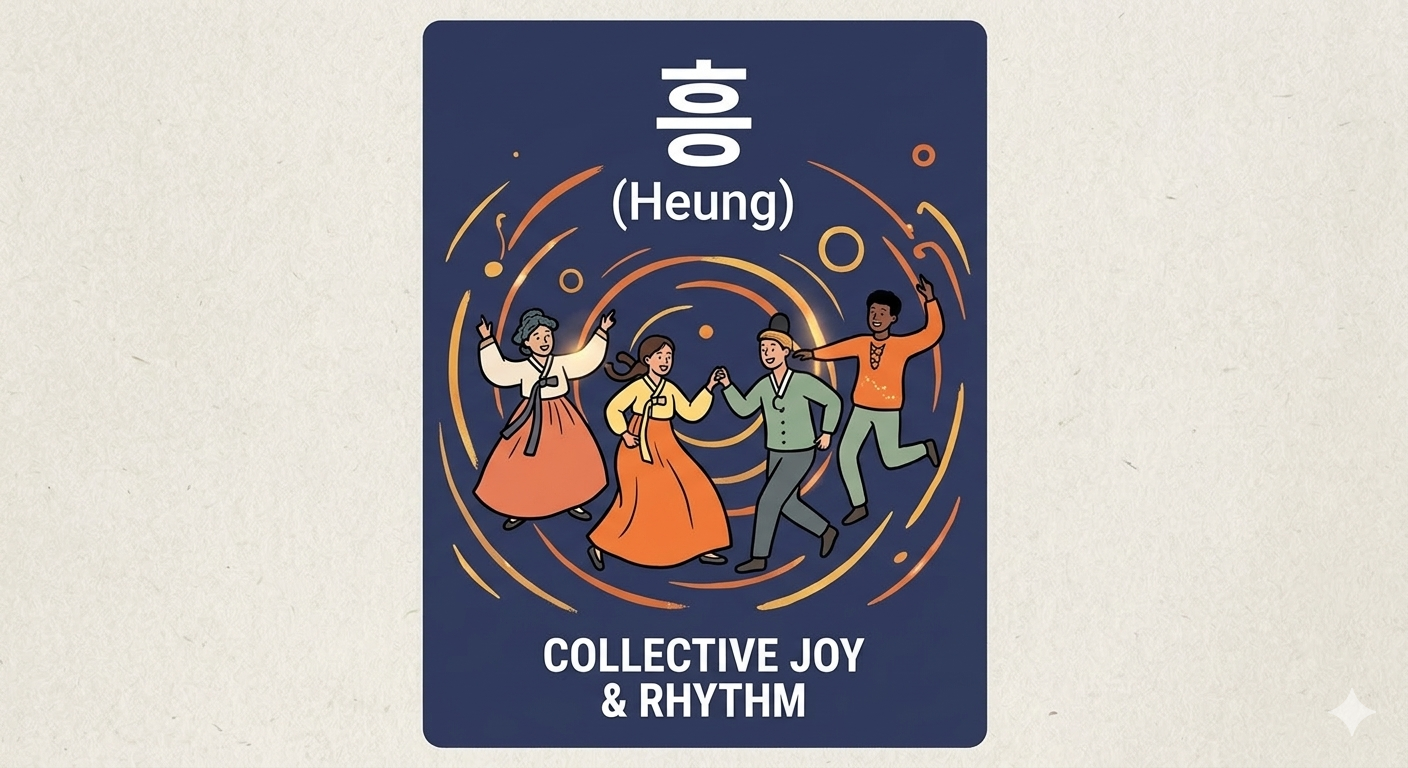
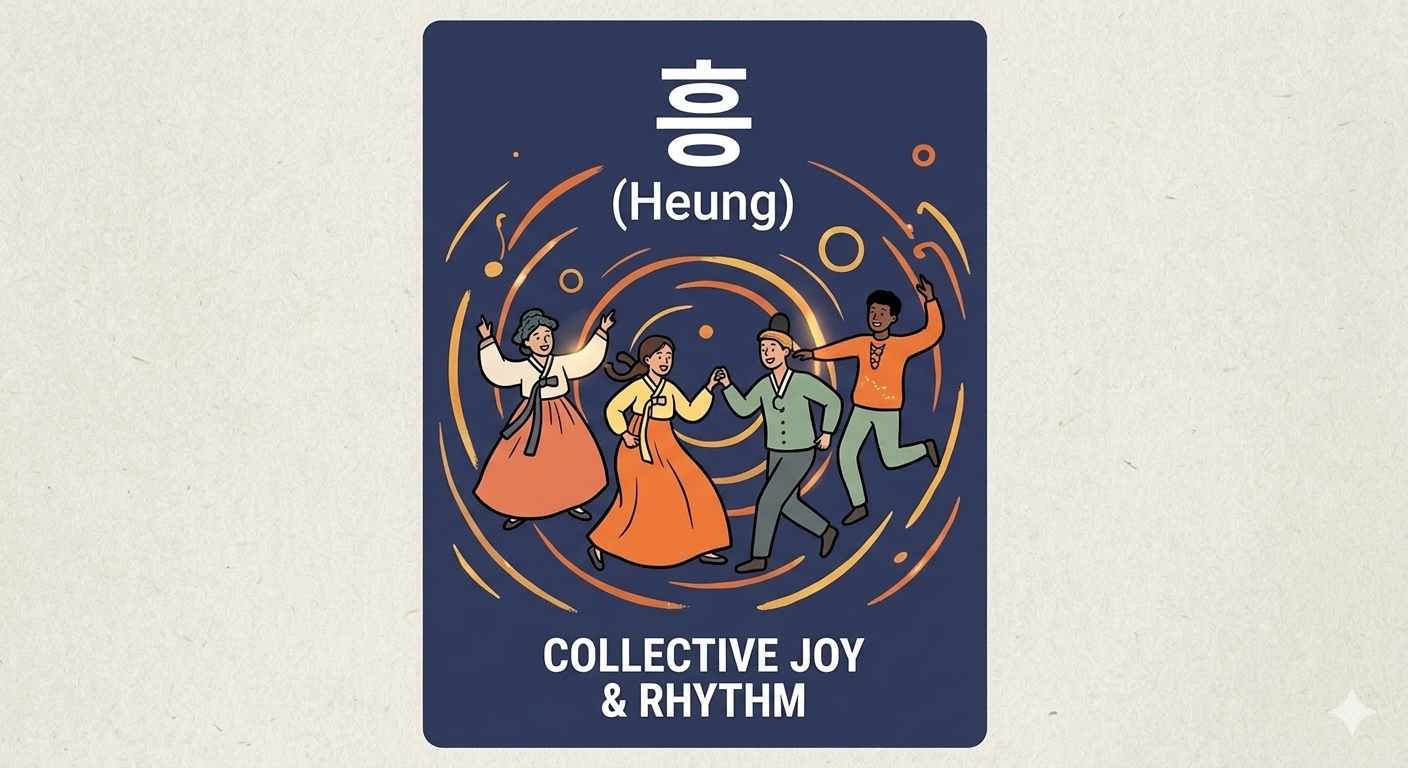
1. Heung (흥) – The Collective Spark
If Han is the sorrow of the past, Heung is the joy of the present. It’s a spontaneous, infectious energy or "vibe." You see Heung when a quiet dinner turns into a singing session or when a crowd moves in perfect rhythm at a festival. It is the irrepressible Korean spirit of fun.
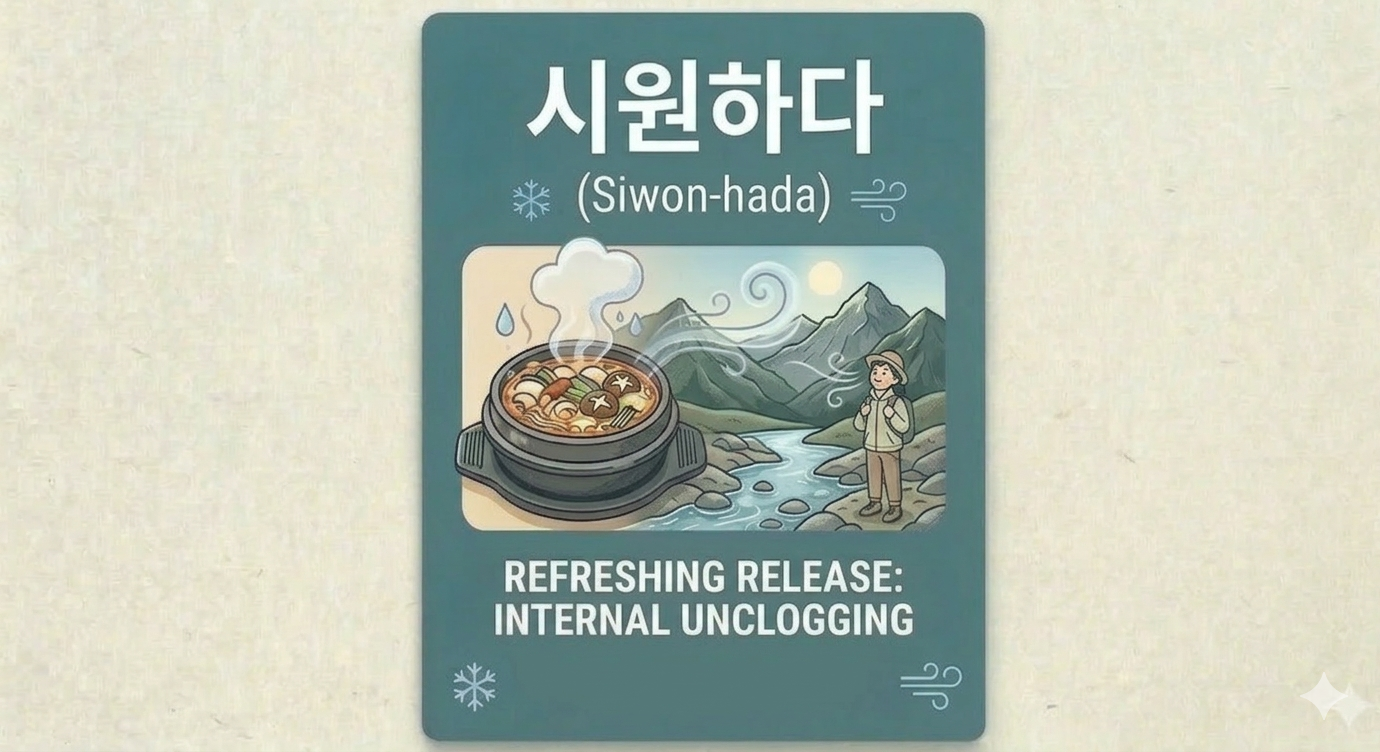
2. Siwon-hada (시원하다) – The "Refreshing" Paradox
In English, "refreshing" usually means cold. In Korean, Siwon-hada is used for a freezing bowl of naengmyeon, but also for a steaming hot bowl of soup or a painful back massage. It describes a "refreshing release"—the feeling of internal "stuckness" being cleared away.
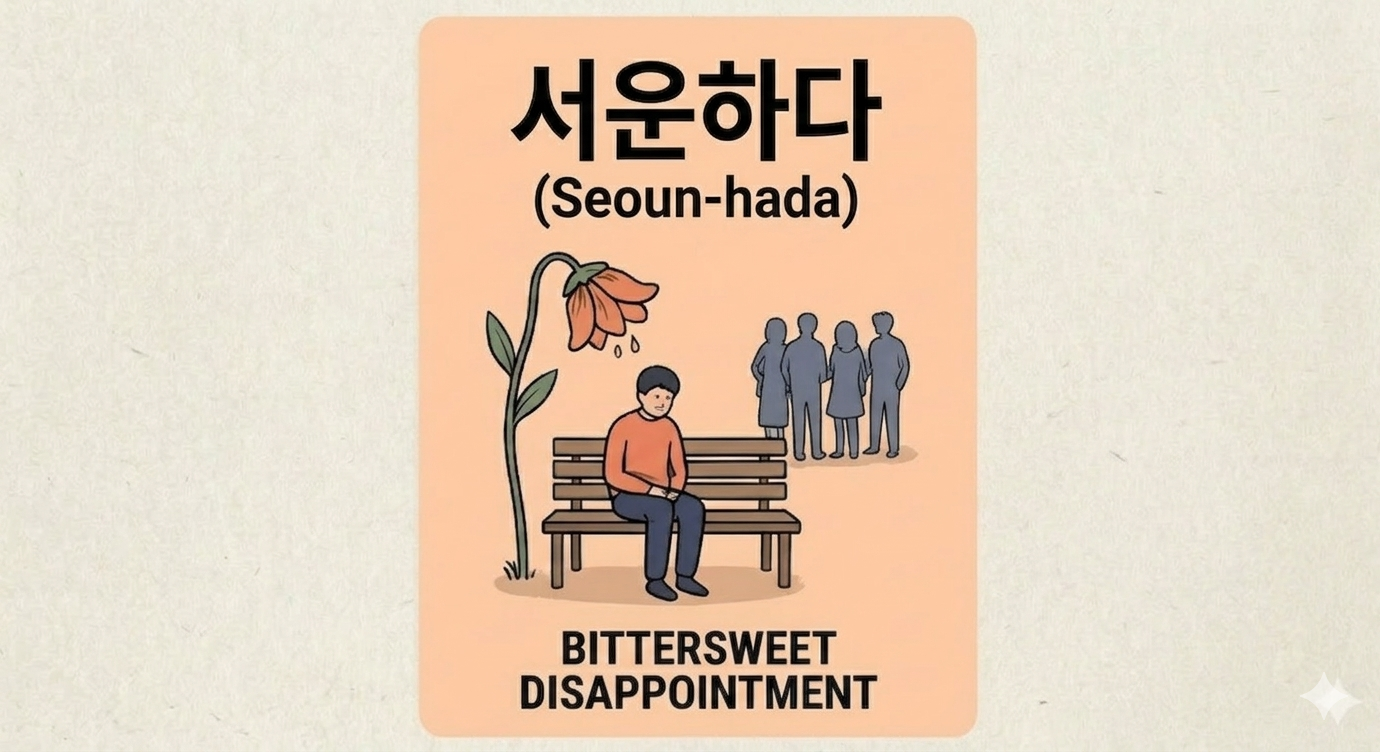
3. Seoun-hada (서운하다) – The Soft Sting
This isn't quite "sad" or "mad." It’s the specific bittersweet disappointment you feel when someone you care about forgets your birthday or doesn't invite you to a hangout. It’s a "soft" hurt that implies you expected more because you value the relationship.
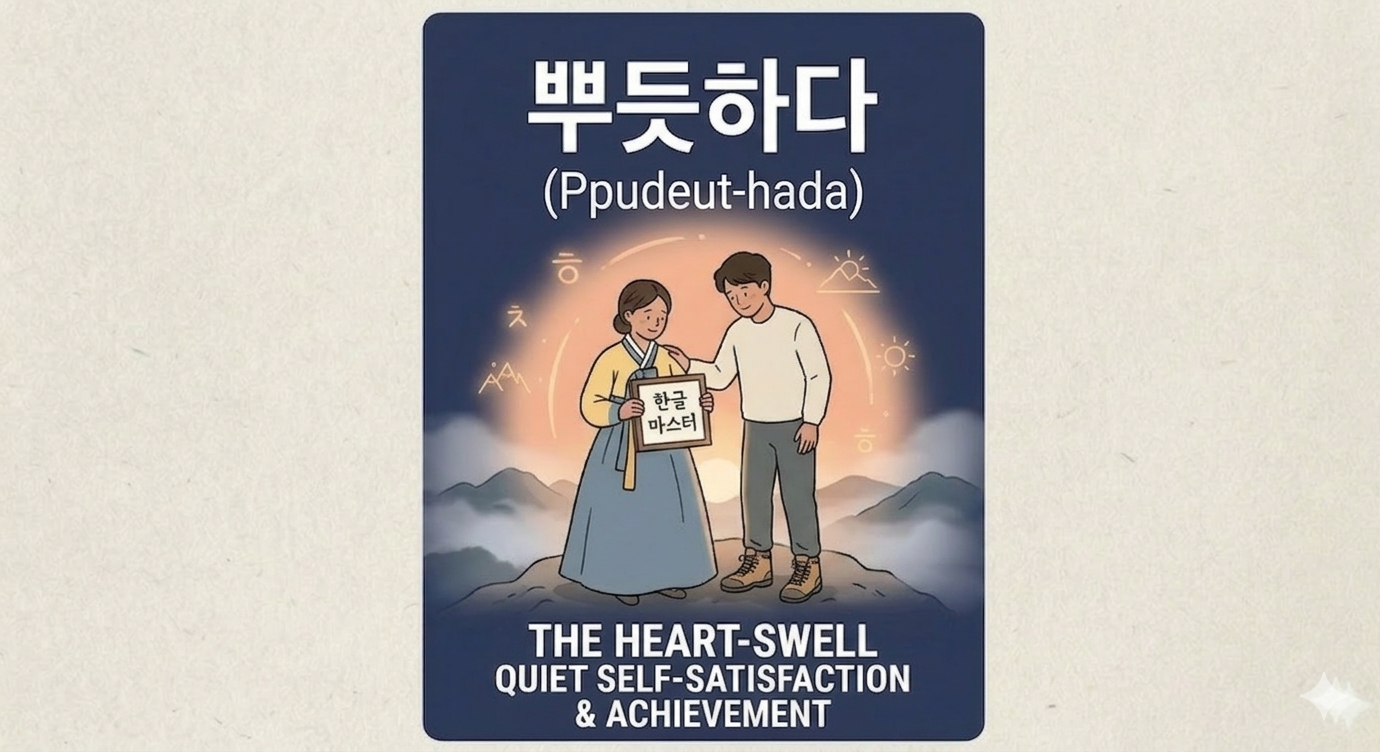
4. Ppudeut-hada (뿌듯하다) – The Heart-Swell
This is the warm, fuzzy feeling of self-satisfaction after a job well done. It’s not "arrogant pride," but rather the quiet glow you feel when you finally master a difficult Hangeul grammar point or finish a long hike.
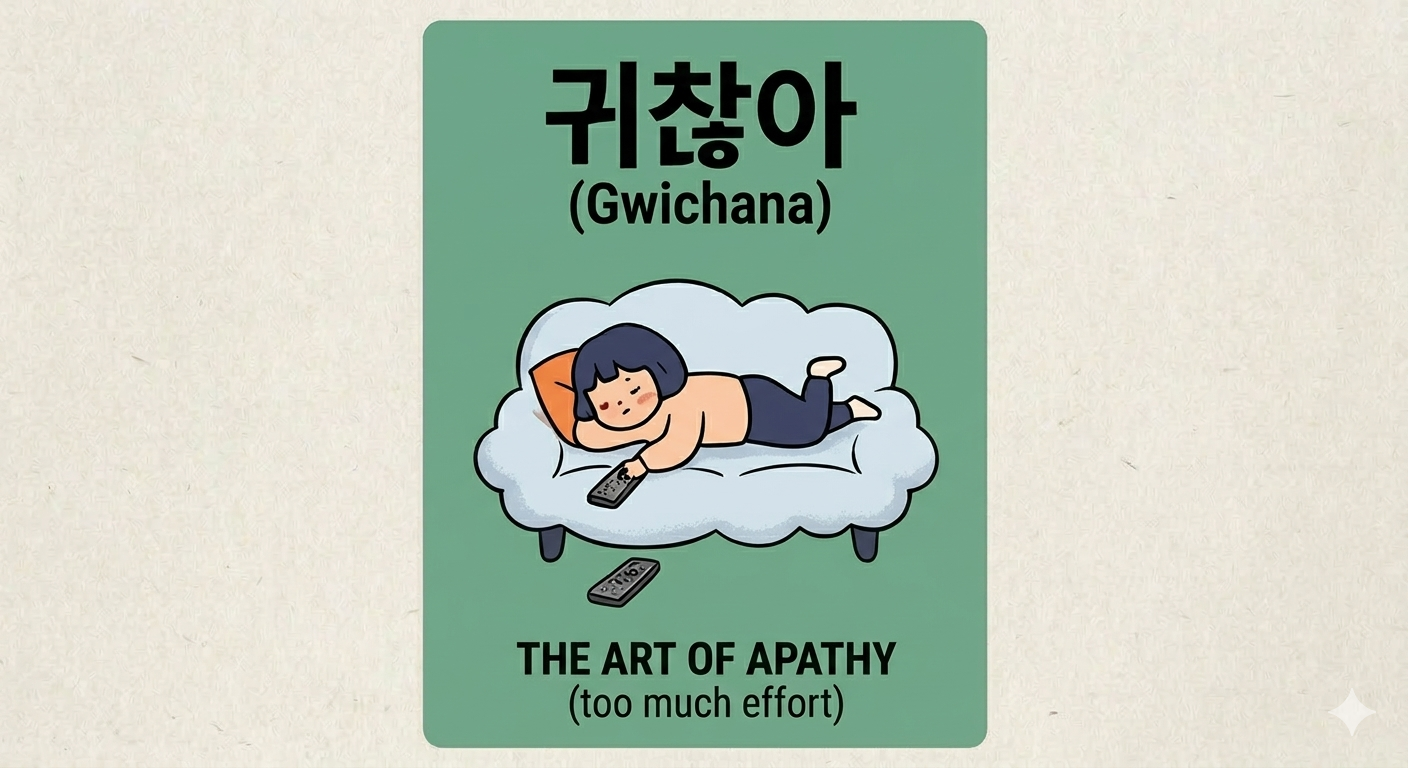
5. Gwichana (귀찮아) – The Art of Apathy
While often translated as "annoying," Gwichana specifically describes the feeling of something being "too much effort to bother with." It’s the mild, almost endearing laziness we feel when the remote is across the room and we just... can't.
These five words are more than just vocabulary; they are your first steps into seeing the world through a uniquely Korean lens. By noticing these "soft stings" or "heart-swells" in your own life, you’ll find yourself connecting more deeply with the culture and the people around you. Start practicing these terms today and watch how they transform your conversations from simple translation to true understanding.
The Art of the Korean Intro
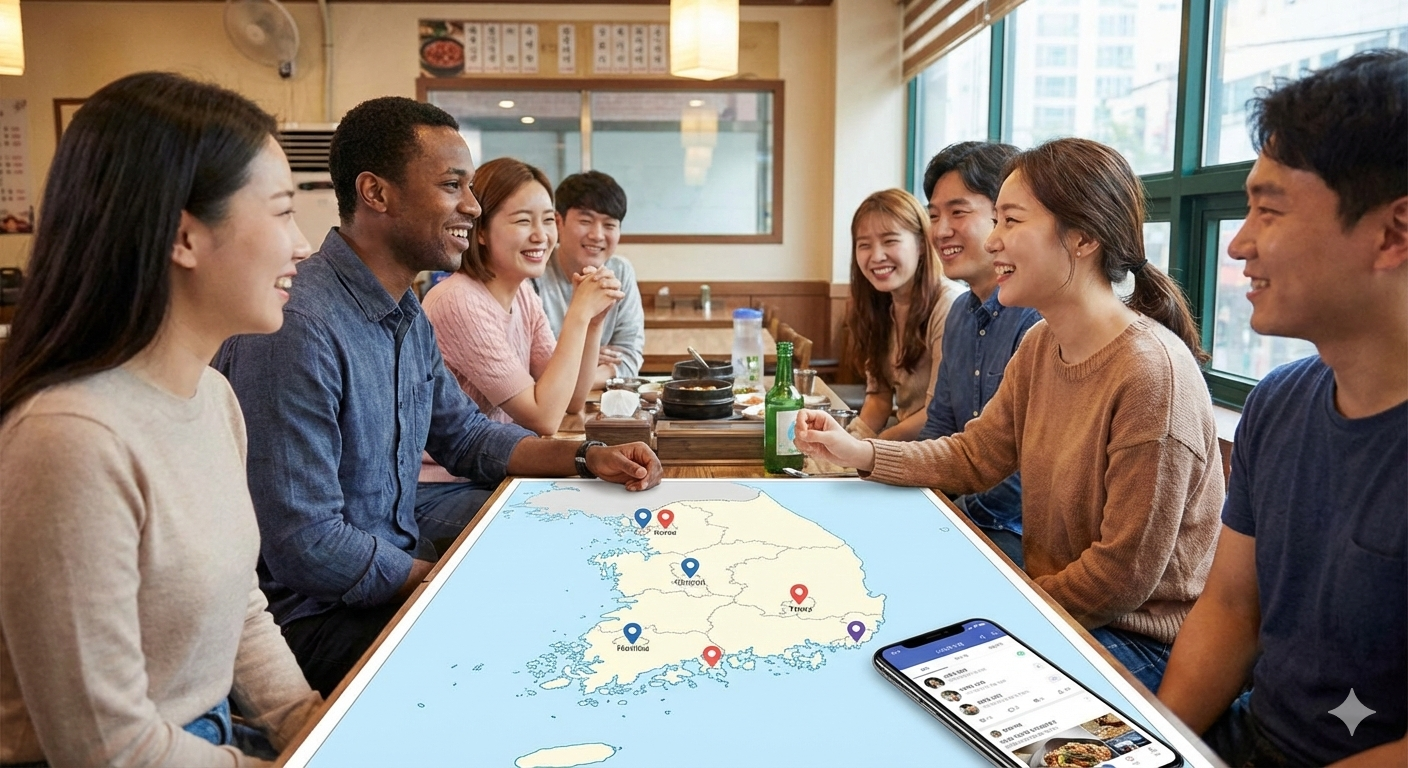
Why do Koreans always ask for your age and hometown? It’s not an interrogation—it’s an act of care. Discover the three pillars of a perfect Korean introduction: Age, Geography, and Affiliation. We break down the "Social GPS" strategy and provide word-for-word scripts to help you navigate your next social gathering in Seoul with confidence.
In many Western cultures, asking someone's age or hometown in the first minute of meeting them can feel intrusive—like an interrogation. In Korea, it is the opposite. It is an act of care.
When a Korean person asks, "What year were you born?" or "Where is your hometown?", they aren't trying to steal your identity. They are trying to find connection points to turn you from a stranger (Nam) into a member of the group (Uri).
Think of a Korean self-introduction not as a "speech," but as broadcasting your coordinates. You are pinging your location on the social map so others can find a path to you.
The Three Pillars of Connection
To build a connection, you generally need to triangulate your position using three specific data points: Age, Geography, and Affiliation.
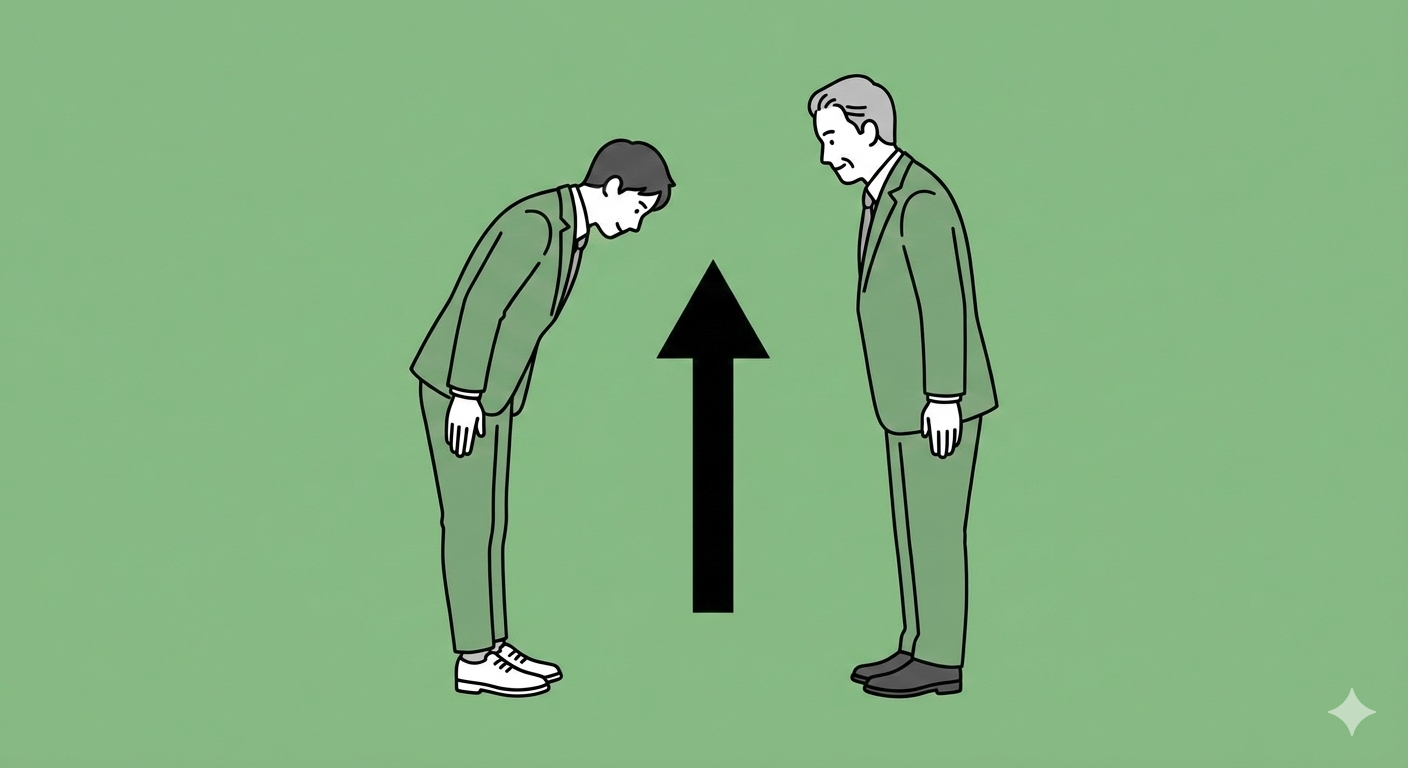
1. The Vertical Axis: Age (Nai)
In Korea, age isn't just a number; it is the primary organizer of society. It determines the "vertical" relationship: Who looks up to whom?
Why we share it: You cannot speak Korean correctly without knowing age. The listener is stressed until they know if they should use high honorifics (Jondaemal) or if they can eventually relax into casual speech (Banmal).
How to share it: Instead of just saying "I am 25," share your birth year. This avoids confusion with the "Korean Age" vs. "International Age" calculation.
Script: "I was born in the year [Year]. So I think I might be the maknae (youngest) here!"
The Connection: If you find someone born in the same year, you become Dong-gap (same-age friends). This is a "Golden Ticket" to instant friendship—you can often drop formal language immediately (with permission).
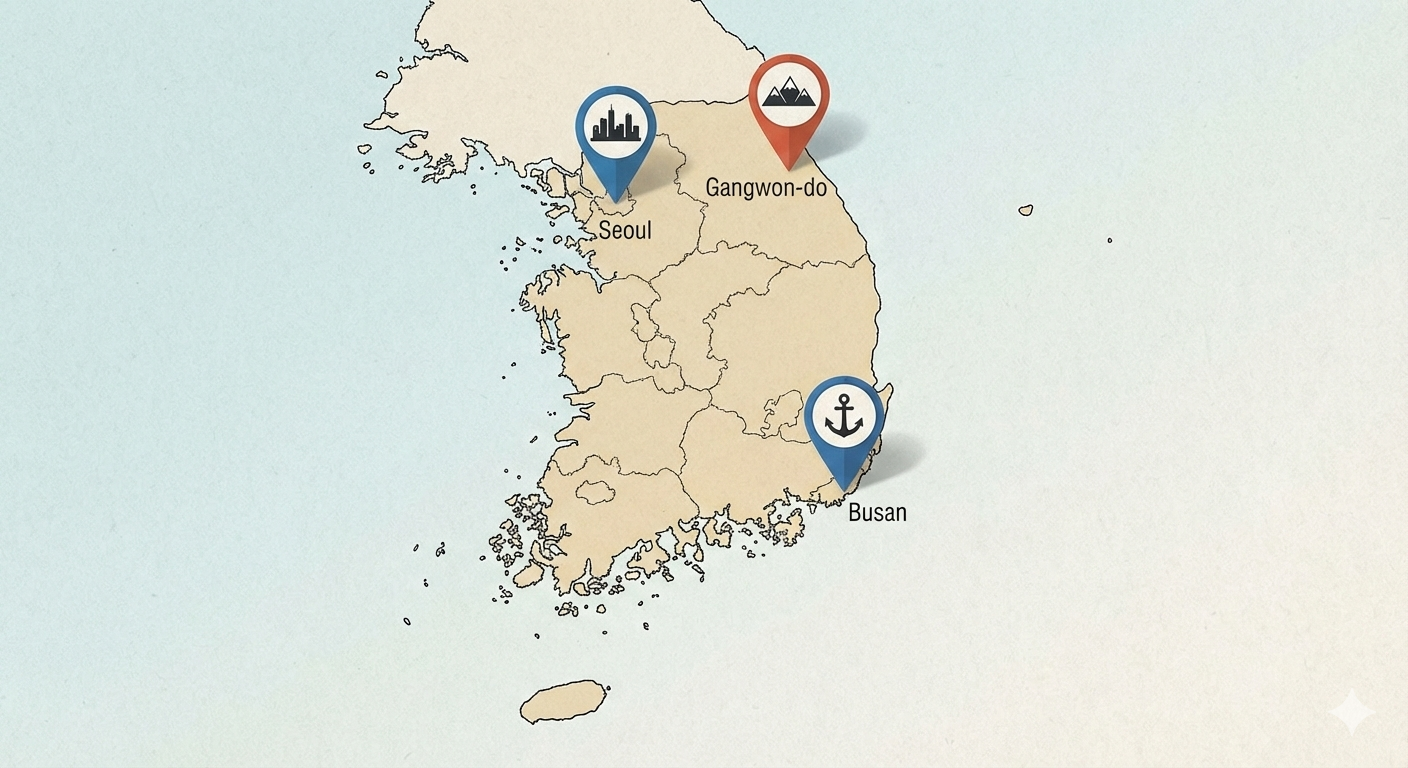
2. The Horizontal Axis: Geography (Jiyeon)
This is the concept of regional ties. Korea is small, but regional identity is strong.
Why we share it: Finding someone from your hometown (Gohyang) creates an instant, almost family-like bond. Even if you are foreign, sharing your home region invites curiosity and comparison.
How to share it: Don't just name the city; give it context.
Script (If you are foreign): "I am from [City/Country]. It is a harbor city, very similar to Busan!"
The Connection: By comparing your home to a Korean region (e.g., "It's cold like Gangwon-do"), you bridge the gap between "foreign" and "familiar."

3. The Network Axis: School/Affiliation (Hakyeon)
In professional settings, Hakyeon (school ties) is arguably the strongest currency.
Why we share it: If you went to the same university or even the same language institute, you are Seonbae (Senior) and Hubae (Junior). This creates an immediate obligation: the Senior must look after the Junior, and the Junior must support the Senior.
How to share it: Mention your current status clearly.
Script: "I am currently studying at [University Name]. I am in my third year."
The Connection: Watch people light up if they attended the same school. You have just activated a support network that existed before you even walked in the room.
How to Weave This Into a "Connection" Intro
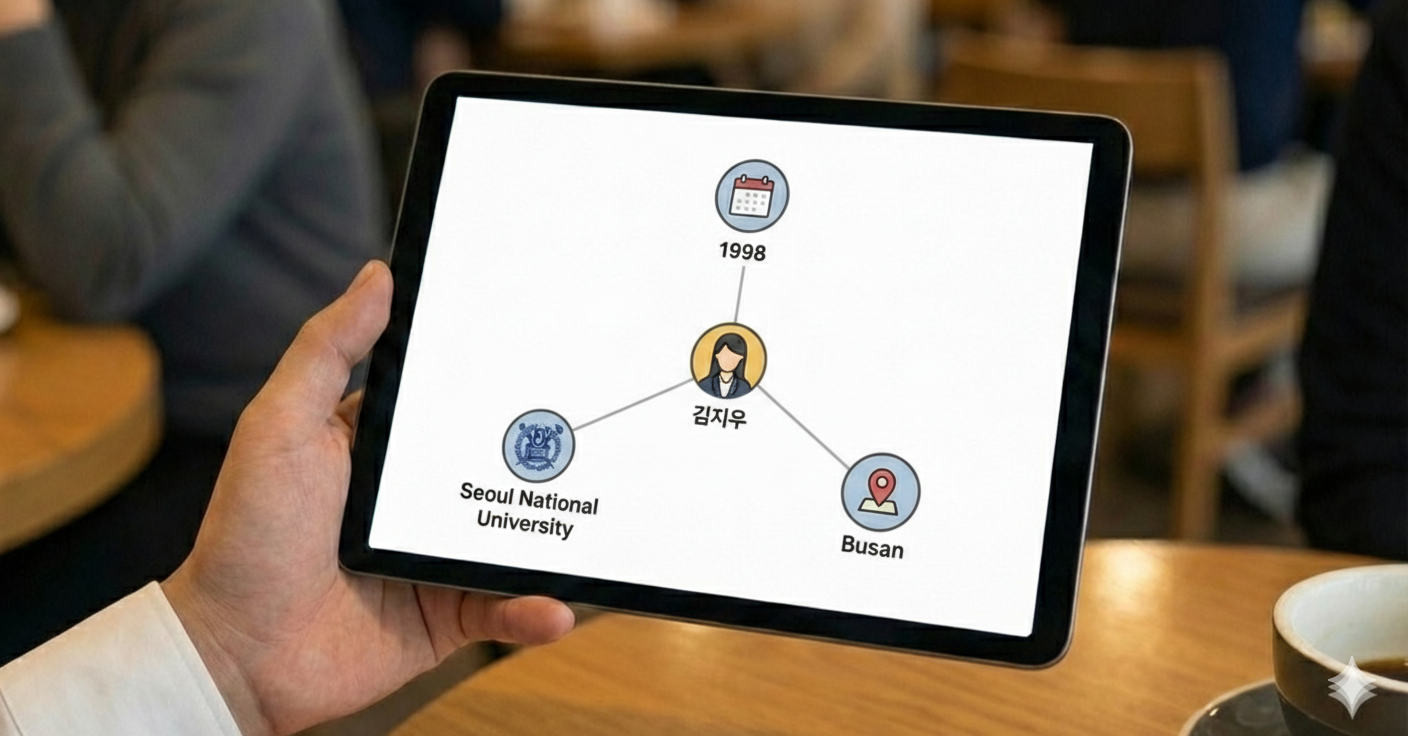
Here is how you combine these dry facts into a warm, relational introduction designed to find common ground.
Scenario: First meeting at a casual dinner/drinks gathering
Step 1: The Name & The Label (Age)
Korean: "안녕하세요! 저는 [Name]입니다. 98년생입니다."
English: "Hello! I am [Name]. I was born in 1998."
Cultural Note: Koreans typically refer to their birth year by just the last two digits + nyeonsaeng (year-born).
1990 = Gu-gong-nyeonsaeng (90년생)
2002 = Gong-i-nyeonsaeng (02년생)
Step 2: The Geography (Jiyeon)
Korean: "제 고향은 [City/Country]입니다. 날씨도 덥고 음식이 매워서 '[Your Country]의 대구'라고들 해요."
English: "I am originally from [Your Home City]. People say it’s the 'Daegu of [Your Country]' because it’s very hot and the food is spicy."
Cultural Note: Using the phrase "...ragodeul haeyo" ("people say that...") is a great way to soften a comparison. It sounds more objective and less like a strong personal opinion.
Step 3: The Affiliation (Hakyeon) & The Humble Close
Korean: "현재 [University/Institute]에서 공부하고 있습니다. 아직 아는 분이 많이 없어서 오늘 좋은 인연 만들고 싶습니다. 잘 부탁드립니다!"
English: "I am currently studying at [University/Institute]. I don't know many people here yet, so I am hoping to make good connections today. Please look after me!"
Cultural Note: I used the word Inyeon (인연) for "connections." This is a culturally deep word implying fate or a destined relationship. It sounds much warmer and more meaningful than simply saying "make friends" (chingu mandeulda) or "network."
Why This Works
By offering these three specific "hooks," you give everyone in the room a chance to grab onto something.
The person born in 1998 thinks: "Yes! A friend!"
The person from Daegu thinks: "Spicy food? I need to ask them about that."
The alumni from your school thinks: "That’s my Hubae (junior). I should buy them a drink."
You haven't just introduced yourself; you have embedded yourself into their social web.