
Five "Untranslatable" Korean Concepts
At KOCO Center, we believe that to speak a language is to inherit a new way of feeling. While words like Jeong (정) and Han (한) are the pillars of Korean culture, there are dozens of "smaller," more nuanced but equally common words that capture the specific friction and beauty of daily life in Korea.
If you want to sound less like a textbook and more like a local, here are 5 untranslatable concepts that are truly off the beaten path.
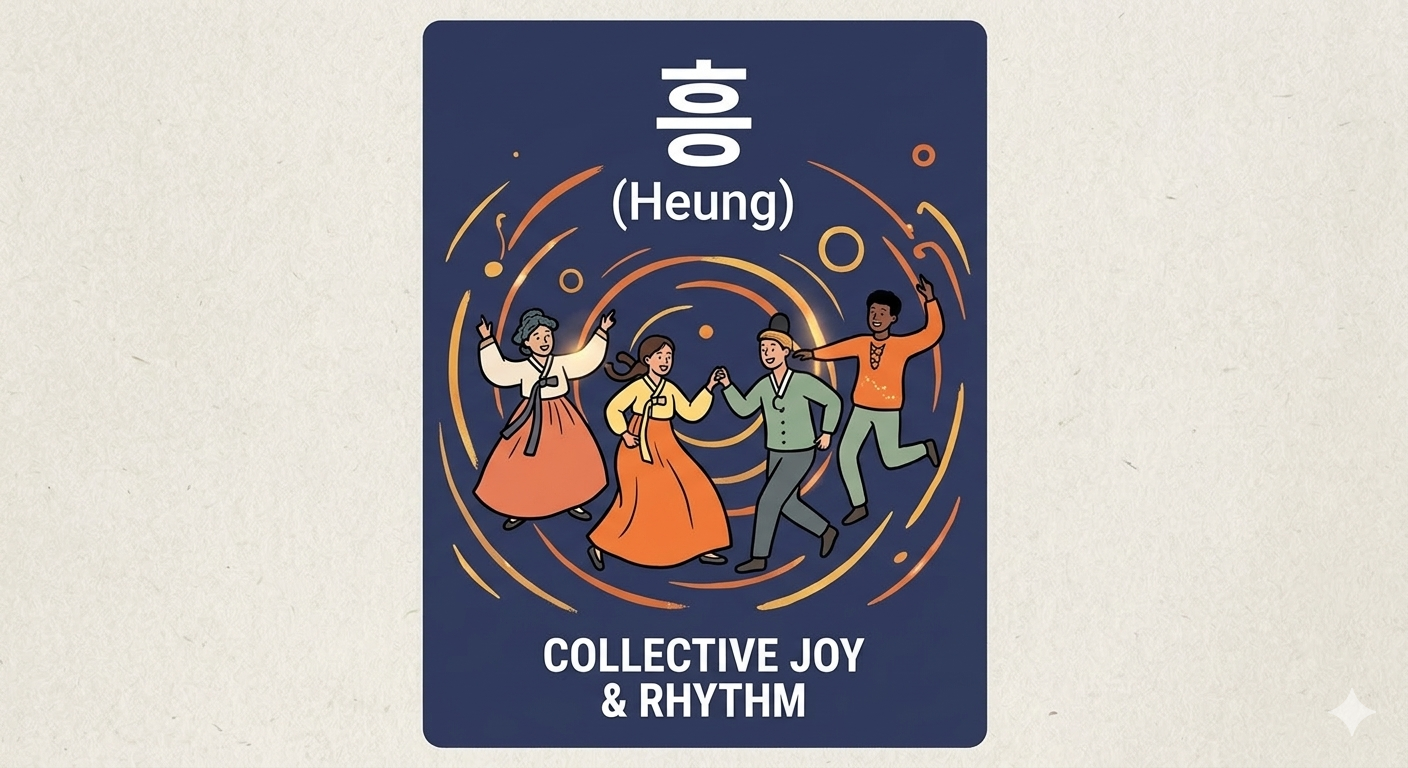
1. Heung (흥) – The Collective Spark
If Han is the sorrow of the past, Heung is the joy of the present. It’s a spontaneous, infectious energy or "vibe." You see Heung when a quiet dinner turns into a singing session or when a crowd moves in perfect rhythm at a festival. It is the irrepressible Korean spirit of fun.
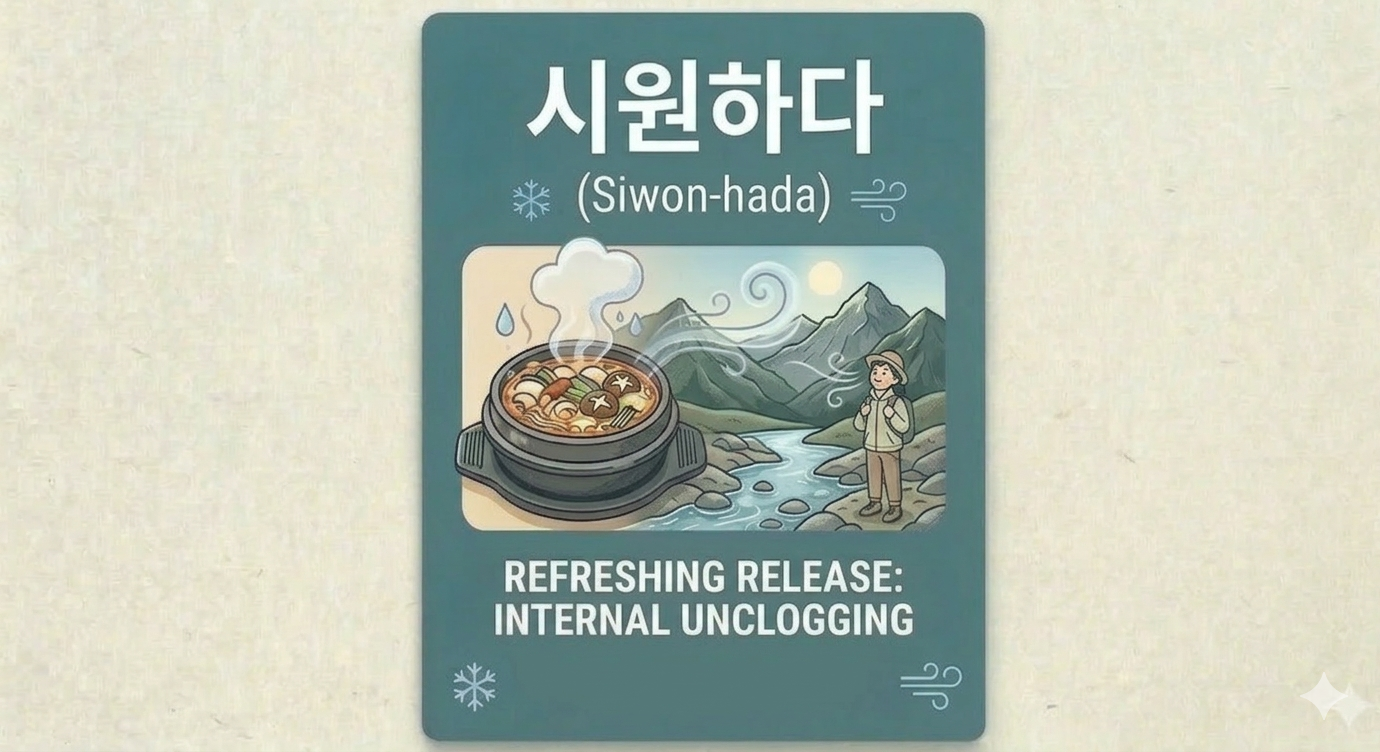
2. Siwon-hada (시원하다) – The "Refreshing" Paradox
In English, "refreshing" usually means cold. In Korean, Siwon-hada is used for a freezing bowl of naengmyeon, but also for a steaming hot bowl of soup or a painful back massage. It describes a "refreshing release"—the feeling of internal "stuckness" being cleared away.
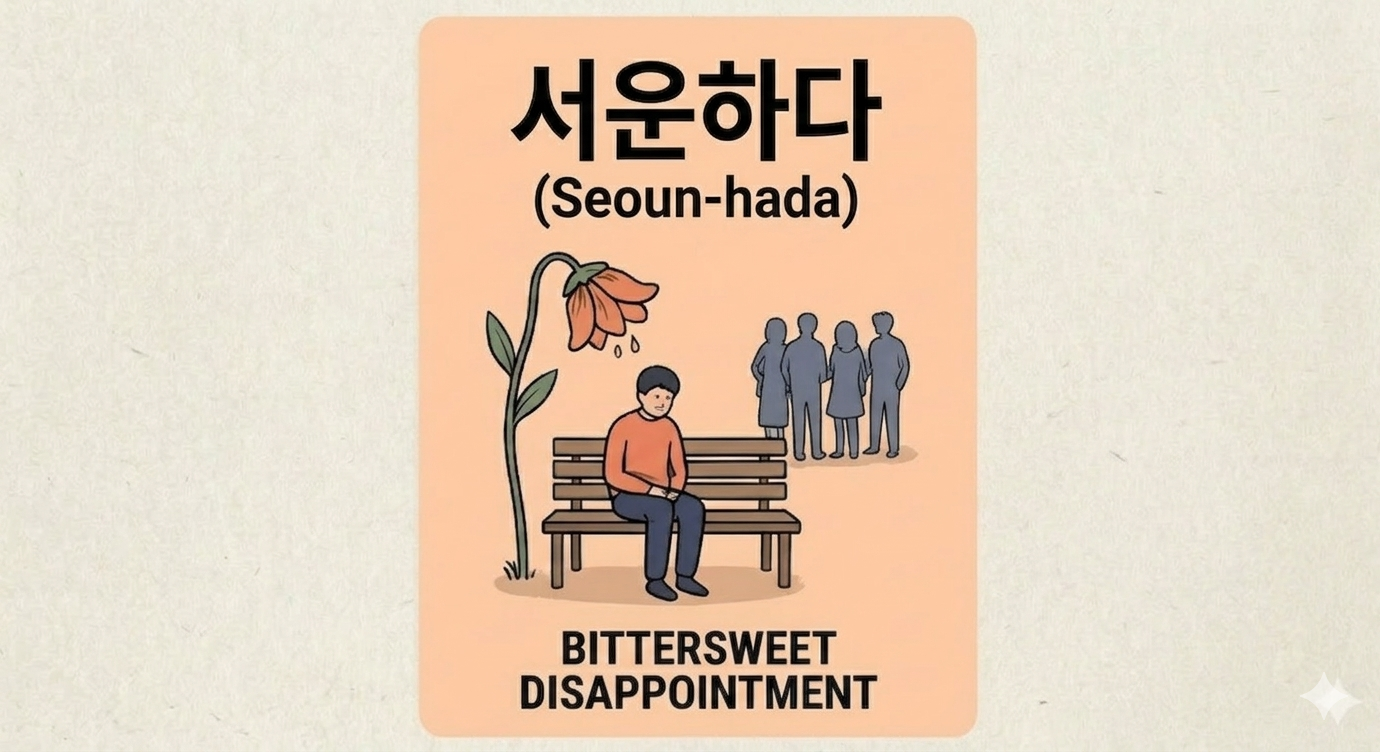
3. Seoun-hada (서운하다) – The Soft Sting
This isn't quite "sad" or "mad." It’s the specific bittersweet disappointment you feel when someone you care about forgets your birthday or doesn't invite you to a hangout. It’s a "soft" hurt that implies you expected more because you value the relationship.
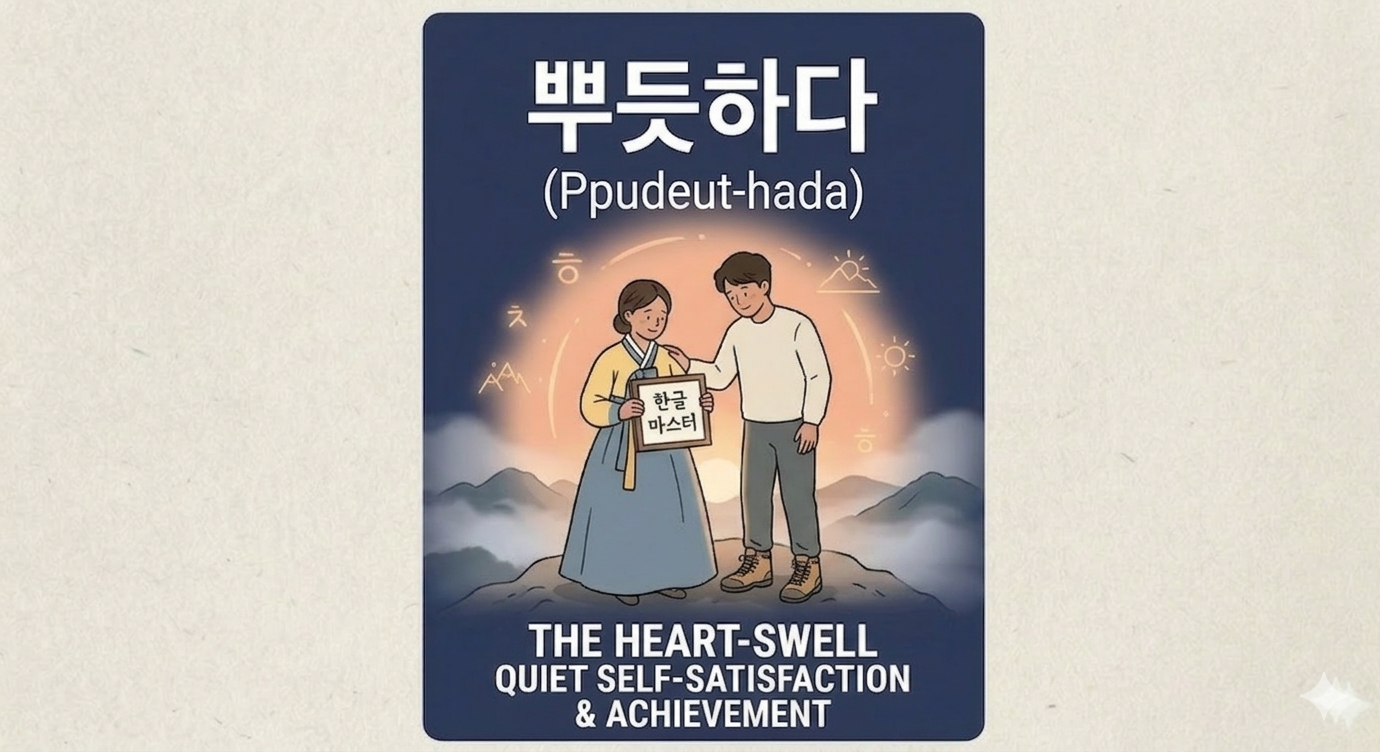
4. Ppudeut-hada (뿌듯하다) – The Heart-Swell
This is the warm, fuzzy feeling of self-satisfaction after a job well done. It’s not "arrogant pride," but rather the quiet glow you feel when you finally master a difficult Hangeul grammar point or finish a long hike.
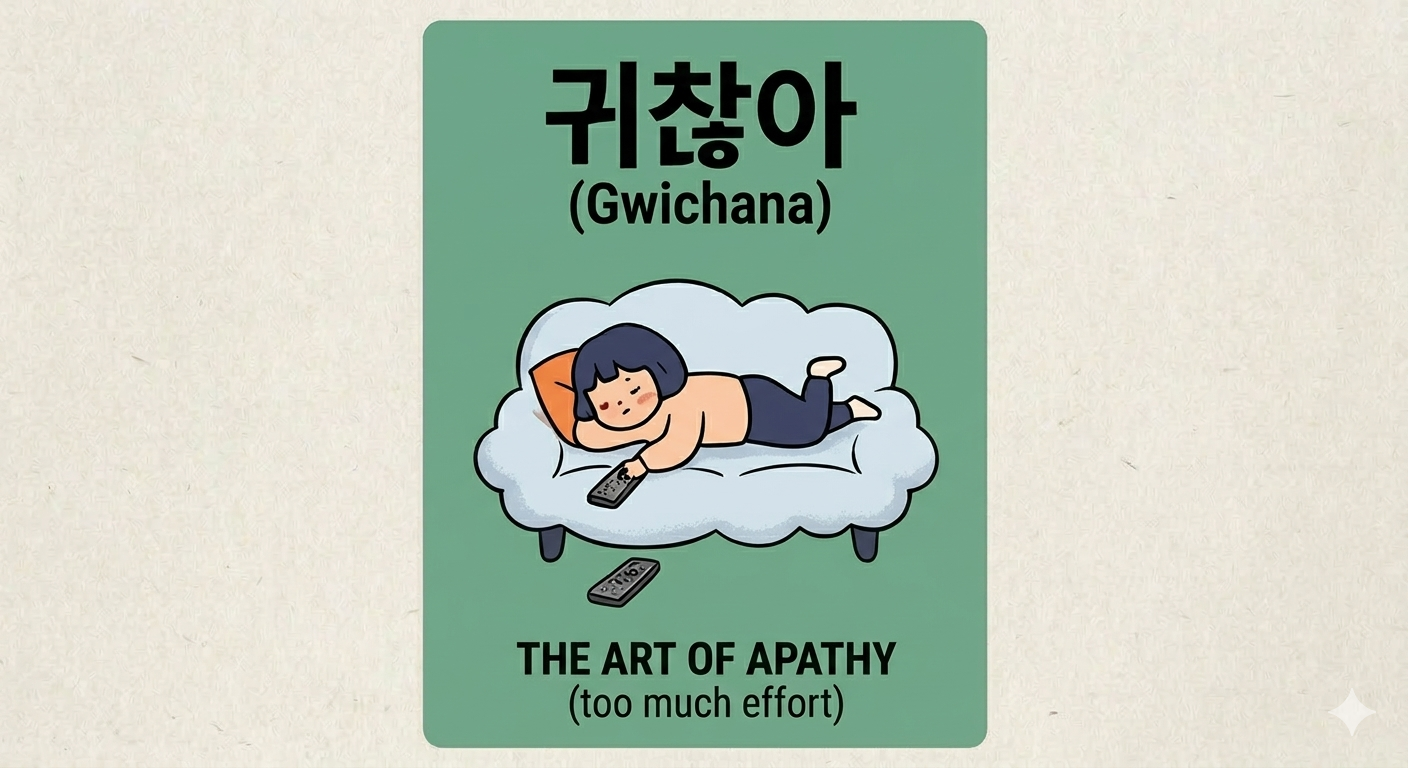
5. Gwichana (귀찮아) – The Art of Apathy
While often translated as "annoying," Gwichana specifically describes the feeling of something being "too much effort to bother with." It’s the mild, almost endearing laziness we feel when the remote is across the room and we just... can't.
These five words are more than just vocabulary; they are your first steps into seeing the world through a uniquely Korean lens. By noticing these "soft stings" or "heart-swells" in your own life, you’ll find yourself connecting more deeply with the culture and the people around you. Start practicing these terms today and watch how they transform your conversations from simple translation to true understanding.
